
The future of senior living is often discussed through the language of healthcare, demographics, technology, and infrastructure. New facilities are built, care models evolve, and digital innovation continues to reshape the way services are delivered. Yet amid these conversations, one question is rarely asked with enough honesty: how does society truly see aging?
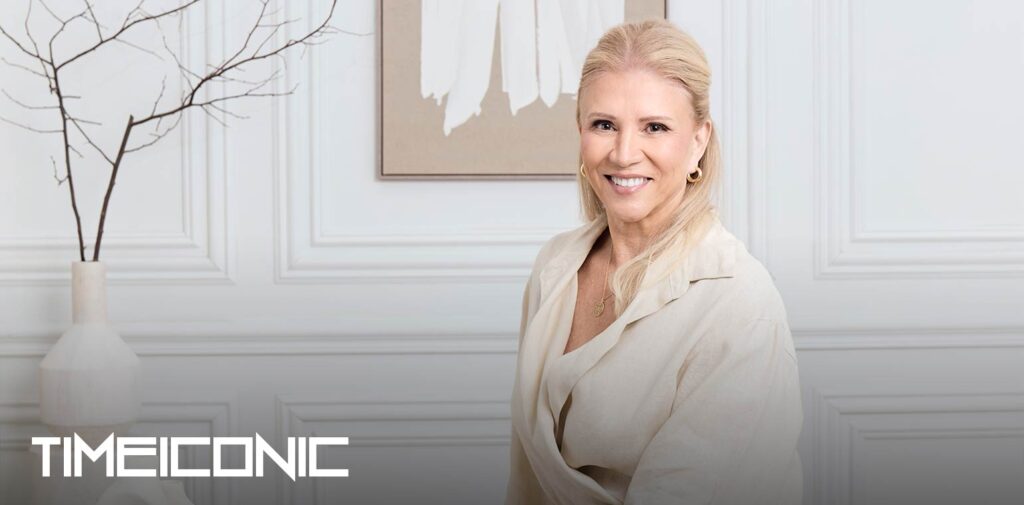
For Marie-Josee Lafontaine, Owner and Operator of Scarborough Retirement Residence, that question sits at the center of every decision she makes. While many leaders focus on improving services for older adults, she is pursuing something even more ambitious: changing the way the world thinks about aging itself. Every initiative, every conversation, and every decision is guided by the belief that meaningful care begins long before someone enters a retirement residence. It begins by challenging the assumptions society has carried for generations.
Her mission comes at a time when conversations about aging have never been more important. The World Health Organization projects that one in six people worldwide will be aged 60 or older by 2030, a demographic shift that is reshaping healthcare systems, communities, and economies around the world. Yet despite this reality, age-related stereotypes continue to influence how millions of older adults are perceived and treated. Against this backdrop, Lafontaine’s work is about more than senior living. It is about helping society prepare for longevity with greater respect, dignity, and understanding.
“Aging is not a tragedy to be feared. It is the natural evolution of a life filled with wisdom, resilience, and purpose.”
That belief has become the foundation of her movement, Ageism to Sageism™. Rather than seeing growing older as a gradual loss of value, Lafontaine invites society to see it for what it truly is: the accumulation of experience, character, perspective, and wisdom. In her view, age does not diminish a person’s worth. It reveals the depth of a life that has been lived.
It is a perspective that feels increasingly relevant as populations continue to age around the world. What many view primarily as a demographic trend, she sees as a cultural opportunity. If society can change the way it talks about aging, could it also change the way people experience it?
In Lafontaine’s view, the answer begins with leadership. Every conversation, every decision, and every interaction becomes an opportunity to remind people that older adults are not simply recipients of care. They remain individuals whose stories, contributions, and humanity deserve to be celebrated. Scarborough Retirement Residence therefore represents more than a place where people live. It reflects a broader commitment to changing how an entire society understands the later chapters of life.
Learning Leadership Through the Lives of Others
Leadership philosophies are often shaped in boardrooms, universities, or through years of executive experience. Her own understanding of leadership was shaped much earlier through the everyday lives of the people around her.
Growing up in a family devoted to senior living, she never viewed aging through society’s conventional lens. While many people associated retirement with limitation, she witnessed something very different. She saw lives filled with resilience, humour, perseverance, tenderness, and extraordinary personal histories. Her parents, pioneers in retirement care, introduced her to a world where every resident represented a lifetime of experiences rather than a stage of decline.
Those early experiences quietly shaped the leader she would become. They taught her that aging is not the opposite of living but the continuation of it. Every individual carries memories that cannot be recreated, lessons that cannot be learned from textbooks, and perspectives earned through decades of navigating life’s triumphs and setbacks.
Perhaps this explains why Lafontaine rarely speaks about residents in terms of age alone. Instead, she speaks about people. Behind every face is a parent, entrepreneur, artist, caregiver, teacher, veteran, friend, or community builder whose identity extends far beyond the care they may require today.
That belief continues to influence the culture at Scarborough Retirement Residence. Care is never reduced to routine tasks or standardized procedures. It begins with understanding the individual, respecting personal identity, and recognizing that dignity grows stronger when people feel seen, heard, and valued. In many ways, leadership becomes less about managing a residence and more about protecting the humanity of every person who calls it home.
Changing the Conversation Around Aging
If aging is a universal human experience, why does society continue to speak about it as though it were something to fear?
It is a question that continues to shape Lafontaine’s work. She believes ageism remains one of the most deeply rooted yet least challenged forms of prejudice, influencing everything from healthcare and employment to media representation, beauty standards, and even the way individuals perceive themselves long before they reach old age. These attitudes do more than shape opinions. They shape opportunities, confidence, relationships, and ultimately the quality of life experienced by millions of people.
The urgency of this conversation is reinforced by the World Health Organization, which reports that ageism affects people’s health, well-being, and fundamental human rights, while estimating that one in two people globally hold ageist attitudes toward older adults. At a time when populations are living longer than ever before, these findings serve as a reminder that preparing for longevity is not only about improving healthcare. It is about changing the attitudes that shape everyday experiences.
Changing that narrative requires more than awareness. It demands action.
At Scarborough Retirement Residence, this philosophy is reflected through leadership, communication, environment, and the organization’s Vitality Lifestyle model, where every aspect of care is designed around preserving identity, purpose, and human dignity. Residents are never viewed simply through medical conditions or chronological age. They are understood through their life stories, preferences, relationships, cultures, aspirations, and individual strengths.
The urgency of this work becomes even clearer as societies continue to grow older. Demographic change is often discussed in terms of economics and healthcare capacity, but Lafontaine believes every statistic represents something far more personal. Behind every number is a human life that has contributed to families, communities, workplaces, and society itself. The challenge, therefore, is not merely preparing systems for an aging population. It is preparing people to embrace aging with greater respect, empathy, and understanding.
Transforming senior living has never been the final destination. The greater ambition has always been to help transform the way the world sees aging itself. And as populations continue to live longer than ever before, that mission may prove more important than ever.
“The goal is not simply to change senior living. It is to change the way society sees aging.”
Leading with Humanity in a Changing World
Every organization strives to build a strong culture. Few, however, operate in an environment where every decision has such a profound impact on another person’s life. In senior living, success is measured not only by operational excellence but by the quality of the human experience created every single day.
So what does high performance truly look like in a place built around care?
The answer begins long before policies, procedures, or performance metrics. It begins with people who understand that their work carries meaning. Caring for older adults is not simply about completing daily responsibilities. It is about walking alongside individuals during one of the most significant chapters of their lives, offering reassurance through uncertainty, celebrating moments of joy, and providing comfort when families need it most.
This philosophy has shaped the culture at Scarborough Retirement Residence. Employees are encouraged to see themselves not only as caregivers or professionals but as trusted companions whose presence can influence a resident’s sense of safety, belonging, and dignity. When people recognize the purpose behind their work, commitment grows naturally because they understand they are contributing to something far greater than an organization.
Yet Lafontaine also believes that compassion alone is not enough.
A truly exceptional culture requires balance. While empathy creates connection, accountability ensures that every resident consistently receives the highest standard of care. Neither quality can thrive without the other. Compassion without accountability risks becoming intention without action, while accountability without compassion can reduce care to routine processes rather than meaningful relationships. The strongest organizations are those that refuse to choose between the two. Instead, they allow each to strengthen the other.
“Peak performance is not simply about what a team accomplishes. It is about how deeply people care while accomplishing it.”
That belief has become one of the defining characteristics of Scarborough Retirement Residence, where excellence is measured not only by outcomes but also by the attention, empathy, and respect that shape every interaction.
The Strength of an Intergenerational Workforce
Modern workplaces often celebrate speed, innovation, and constant disruption. While these qualities undoubtedly drive progress, have organizations unintentionally overlooked another equally valuable asset: experience?
Lafontaine believes they have.
Throughout her career, she has challenged the assumption that age determines someone’s ability to contribute. In reality, every generation brings something unique to the workplace. Younger professionals often introduce fresh ideas, technological confidence, and new perspectives. More experienced employees contribute judgment, resilience, emotional intelligence, patience, and the ability to navigate complex situations with calm and perspective.
The question, therefore, is not which generation is better. It is how organizations can create environments where each generation helps the other succeed.
At Scarborough Retirement Residence, this philosophy encourages collaboration rather than comparison. Knowledge is shared in every direction. Experience becomes something to preserve rather than replace, while innovation is embraced as a tool for growth rather than a reason to disregard established wisdom. The result is a workplace where diversity extends beyond backgrounds and skill sets to include something equally important: different stages of life.
This perspective mirrors Lafontaine’s broader vision of society itself. Just as communities become stronger when they honour older adults, organizations become more resilient when they recognize the value of every generation. Progress, after all, is most sustainable when energy and wisdom move forward together.
Can Technology Ever Replace Human Presence?
Artificial intelligence is transforming industries at an unprecedented pace. It is improving efficiency, supporting decision making, and reshaping how organizations deliver services. Senior living is experiencing that transformation as well. But as technology becomes increasingly capable, an important question emerges: what should never be automated?
For Lafontaine, the answer is remarkably clear.
Technology should support care. It should never become care.
Digital tools can identify patterns, improve documentation, strengthen communication, and help caregivers make better-informed decisions. They can reveal subtle changes in behaviour, nutrition, sleep, or mobility that might otherwise go unnoticed. These innovations have genuine value because they enable teams to respond more effectively and devote more time to the people they serve.
Yet the moments that matter most often exist beyond data.
A computer cannot fully understand the silence of someone grieving the loss of a lifelong partner. It cannot appreciate the comfort found in a familiar conversation, recognize the reassurance of a gentle smile, or replace the empathy required to ask, “How are you really feeling today?” Those moments require emotional intelligence, intuition, and genuine human presence.
Lafontaine believes the future of senior living lies not in choosing between technology and compassion but in ensuring one strengthens the other. Innovation should free caregivers to spend less time behind screens and more time beside the people who need them.
It is a philosophy that reflects the essence of her leadership. In a world increasingly shaped by artificial intelligence, she continues to champion something that remains uniquely human: the ability to make another person feel seen, heard, respected, and valued. And perhaps that will always be the most important innovation of all.
Seeing the Whole Person
No two people experience aging in exactly the same way. Some remain physically active well into later life while quietly struggling with loneliness. Others may require mobility support yet continue to lead rich social lives filled with curiosity and purpose. Some carry visible health challenges, while others face emotional battles that cannot be measured through clinical assessments alone.
So how do you truly understand the needs of another human being?
The answer, she believes, begins by looking beyond age itself.
Throughout her career, she has watched the needs of older adults become increasingly complex. Traditional models of senior living, while valuable in their time, no longer capture the full reality of the people arriving at today’s retirement communities. Residents are living longer, often with diverse combinations of physical, cognitive, emotional, and social needs that cannot be addressed through standardized categories alone.
Rather than accepting those limitations, Lafontaine viewed them as an opportunity to rethink how care should be delivered.
That journey led to the continued evolution of Scarborough Retirement Residence’s Vitality Lifestyle Plans and Vitality Scoring© model, an approach designed to understand residents through a broader and more meaningful lens. Instead of defining people by diagnosis or chronological age, the model considers vitality, frailty, independence, emotional well-being, psychosocial needs, functional ability, personal risk, and overall quality of life.
It represents a simple yet powerful shift in thinking. Before asking what care does this person need, Lafontaine believes organizations should first ask, who is this person?
Because when people are understood more completely, care naturally becomes more personal.
The Human Story Behind Every Resident
Healthcare often depends on assessments, documentation, and measurable outcomes. They are essential for maintaining quality and consistency. But can numbers alone ever tell someone’s life story?
Lafontaine believes they cannot.
Every resident who walks through the doors of Scarborough Retirement Residence brings with them decades of memories, relationships, traditions, achievements, challenges, and personal experiences. Some spent their lives building businesses. Others raised families, served their communities, taught future generations, or quietly shaped the lives of those around them. Those stories do not disappear with age. If anything, they become even more valuable.
This belief influences how residents are welcomed, supported, and understood. Care extends beyond physical well-being to include emotional connection, personal identity, cultural heritage, spiritual beliefs, and the routines that help people continue feeling like themselves. Rather than asking individuals to adapt to a system, the organization strives to shape care around the individual.
Questions therefore become just as important as clinical observations.
What language brings comfort during moments of uncertainty? Which meal reminds someone of home? What music awakens treasured memories? What traditions continue to give life meaning? These details may appear small, yet together they preserve something far greater than routine. They preserve identity.
“The greatest breakthrough in elder care may simply be remembering that every resident is a whole person before they are ever a patient.”
Building Communities That Honour Every Generation
As conversations about sustainability continue to shape global priorities, they often focus on environmental responsibility, technological innovation, or economic resilience. While each remains important, Lafontaine believes another form of sustainability deserves far greater attention.
How sustainable can a society truly be if it forgets the value of its own elders?
It is a question that reaches far beyond the walls of Scarborough Retirement Residence.
Lafontaine views her organization’s contribution not simply through the care it provides but through the cultural impact it hopes to create. Residents are known by their names, stories, preferences, and personalities rather than by age or diagnosis. Families receive support while navigating emotionally complex transitions. Healthcare partners benefit from collaborative care, and employees become part of a workplace built around purpose, mentorship, and compassion.
At the same time, she believes society must begin restoring the respect once naturally given to older generations. Across many cultures throughout history, elders served as teachers, advisors, storytellers, and keepers of wisdom. Their presence strengthened families and communities because experience was viewed as an asset rather than an obstacle.
That perspective remains central to Lafontaine’s vision today.
Creating better retirement communities is certainly important. But creating communities that genuinely honour aging may prove even more transformative. It encourages younger generations to see longevity not with fear, but with hope. It reminds families that dignity should remain constant throughout every stage of life. And it invites society to recognize that growing older is not about becoming less. It is about becoming more of everything life has patiently shaped.
Perhaps that is the most meaningful legacy any leader can leave behind.
Preparing Society for the Longevity Era
Artificial intelligence continues to dominate headlines. Climate change, economic uncertainty, and geopolitical shifts remain at the forefront of global discussions. Yet amid these defining issues, another transformation is quietly reshaping the future of every nation, every community, and every family. Are we truly prepared for a world where people are living longer than ever before?
Lafontaine believes the answer depends on far more than healthcare capacity or retirement planning.
The real challenge is cultural.
Longer life expectancy is already changing the way societies think about housing, employment, caregiving, healthcare, and public policy. But beneath these practical considerations lies a deeper question: how do we ensure those additional years are lived with purpose, belonging, and dignity rather than isolation and fear?
For Lafontaine, this is why conversations about aging can no longer remain confined to the senior living industry. They belong in boardrooms, schools, workplaces, government policy, and family discussions alike. Aging is not a niche issue affecting only a small segment of society. It is the one journey every generation hopes to experience.
That reality makes her mission increasingly relevant.
While many organizations prepare for demographic change by expanding services, Lafontaine believes society must also prepare emotionally. People should not spend decades fearing the very future they hope to reach. Instead, they should learn to see longevity as an opportunity to continue contributing, learning, mentoring, and growing.
This is precisely what Ageism to Sageism™ seeks to accomplish. It is not simply a philosophy about older adults. It is a framework for helping society embrace longevity with greater wisdom, confidence, and respect.
Leadership as Stewardship
Every leader leaves behind something.
Some leave financial success. Others leave innovation, growth, or organizational transformation. Lafontaine hopes her legacy will be measured differently.
She wants to leave behind a different way of thinking.
Throughout her career, the people who have influenced her most were not only mentors in leadership but mentors in life. Her parents demonstrated discipline through service, sacrifice, and unwavering commitment to others. Equally important were the residents she came to know over decades of working in senior living. Every conversation reinforced the belief that older adults are living libraries whose experiences deserve to be heard rather than overlooked.
That perspective continues to shape the leaders she mentors today.
Leadership, she believes, is not about visibility or personal achievement. It is about stewardship. It is about accepting responsibility for people, protecting their dignity, and creating environments where others can flourish long after the leader has stepped aside.
“Leadership is not performance. It is stewardship. The greatest leaders do not simply build organizations. They build people.”
It is a philosophy that feels particularly fitting within senior living, where trust is earned not through promises but through consistent acts of compassion, integrity, and presence.
From Ageism to Sageism
Looking ahead, Lafontaine does not measure the future of Scarborough Retirement Residence solely by new initiatives or expanding services. She measures it by something far more enduring: whether it can help change the way society understands aging itself.
Behind the organization’s continued evolution is a care philosophy that brings together thoughtful assessment, family communication, frailty awareness, psychosocial understanding, operational excellence, and genuine human connection. Through its Vitality model, residents are viewed not simply through age or diagnosis, but through vitality, independence, emotional well-being, personal aspirations, and quality of life.
Yet perhaps the most meaningful work is happening beyond the residence.
Lafontaine wants younger generations to stop fearing their future selves. She wants workplaces to value experience alongside innovation. She wants families to celebrate older loved ones not only for who they were, but for who they continue to be. Most importantly, she wants older adults themselves to know that age does not diminish their worth. It deepens it.
Because in the end, the future of senior living is not only about creating better communities for older adults. It is about creating a better society for everyone.
Marie-Josee Lafontaine is helping build that future one conversation, one relationship, and one act of dignity at a time. Her journey reminds us that growing older is not a story of becoming less visible or less valuable. It is a story of becoming wiser, richer in experience, and more deeply connected to what it truly means to be human.
And perhaps that is the bridge the world needs most. Not simply from one generation to the next, but from Ageism to Sageism™, where aging is no longer feared, but honoured as one of life’s greatest achievements.
