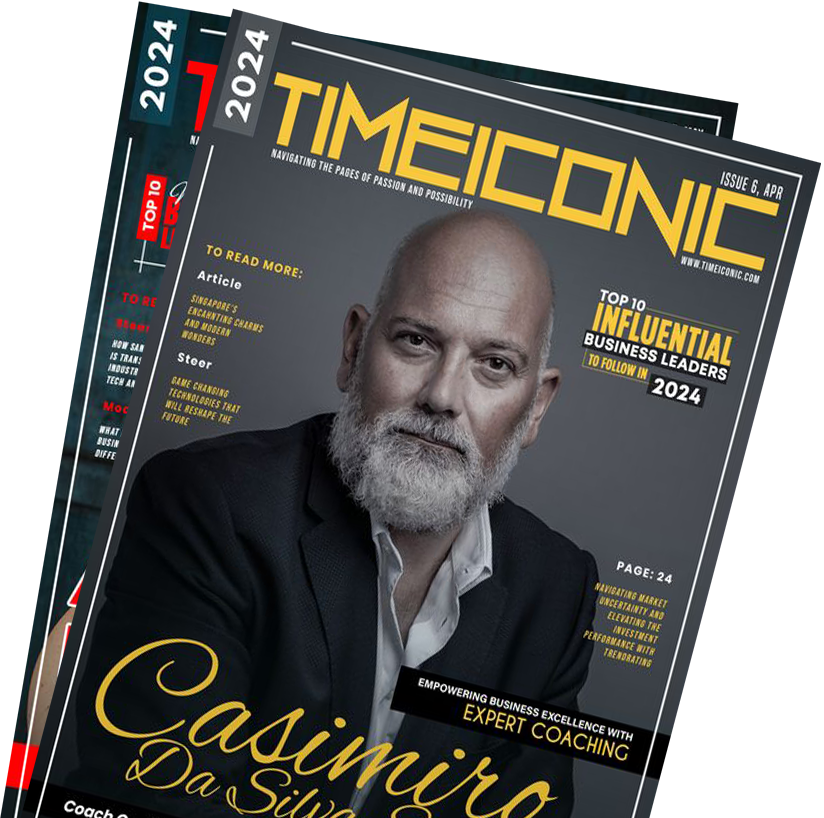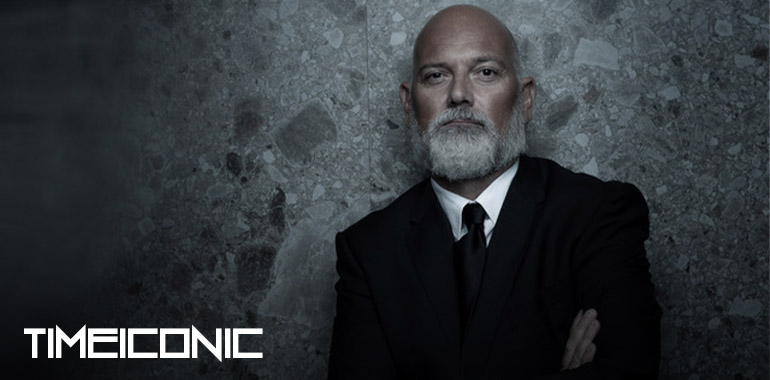
In an era where leadership is often measured by speed, scale, and surface-level success, Coach Cas represents a quieter but far more enduring form of influence. As the founder of Bring the Best and a respected leadership and executive coach, Coach Cas has built his work around a simple yet powerful belief: businesses do not grow sustainably unless the people leading them grow first.
His journey did not follow a straight line. It evolved through high-pressure corporate environments, moments of deep personal questioning, and ultimately, a conscious decision to redefine what leadership truly means in a complex and fast-changing world.
Coach Cas’s professional foundation was shaped inside demanding corporate environments where expectations were high and consequences were real. Leading teams under pressure taught him lessons that no textbook could provide. Performance mattered, results mattered, but over time he discovered a deeper truth about leadership.
“Performance without trust is fragile,” he reflects.
Operating in complex organisational structures, often during periods of change and restructuring, Coach Cas learned that leadership is not about authority or control. It is about clarity, consistency, and creating conditions where people feel safe enough to perform at their best.
These experiences exposed him to both effective leadership and its limitations. Command-and-control models produced short-term outcomes, but frequently at the expense of engagement, resilience, and long-term sustainability. Observing this pattern repeatedly became a turning point in how he viewed leadership itself.
Leading Through Uncertainty and Human Complexity
Some of the most defining moments in Coach Cas’s career came during periods of organisational turnaround and restructuring. These were not abstract business exercises. They involved real people, real livelihoods, and difficult decisions that carried emotional weight.
“These moments taught me that leadership is less about control and more about creating safety and clarity,” he explains.
Navigating uncertainty forced him to confront the human side of leadership. Fear, loss, and ambiguity cannot be managed through spreadsheets alone. They require presence, empathy, and the ability to hold space for others while making responsible decisions.
It was during these challenging phases that Coach Cas began to understand leadership as a relational discipline rather than a positional one. Authority could not replace trust, and certainty could not be manufactured when reality was complex. What leaders could offer, however, was honesty, direction, and emotional steadiness.
The Inner Journey That Changed Everything
While his external career continued to progress, Coach Cas was undergoing a quieter but equally important transformation. Beneath professional achievements, he was grappling with imposter syndrome, internal pressure, and a growing sense that traditional definitions of success felt increasingly hollow.
“The real shift came when I stopped trying to be the leader I thought I should be and started becoming the leader I’d want to follow.”
This inner reckoning reshaped how he viewed ambition, identity, and purpose. External markers of success no longer held the same appeal. What mattered more was alignment between values, actions, and impact.
This period marked the beginning of a new leadership philosophy, one rooted in self-awareness and authenticity. Coach Cas recognised that leaders cannot guide others effectively if they are disconnected from themselves. Self-leadership became the foundation upon which everything else would be built.
From Corporate Leader to Purpose-Driven Coach
Coach Cas’s transition into coaching was not an abandonment of his corporate past, but an evolution of it. His background gave him credibility with business owners who understood pressure, governance, KPIs, and stakeholder expectations. He spoke their language because he had lived it.
“It gives me context,” he says. “But more importantly, it taught me what doesn’t work.”
Today, his coaching approach blends strategic rigour with human depth. He helps entrepreneurs professionalise their businesses without stripping them of meaning or soul. Rather than chasing growth at any cost, he guides leaders toward sustainable success that supports both performance and wellbeing.
This philosophy became the cornerstone of Bring the Best, a platform dedicated to unlocking potential through courage, responsibility, and empathy. The name itself reflects Coach Cas’s belief that leadership is not about fixing weaknesses alone, but about elevating what already exists within people and organisations
Where Mindset Becomes Momentum
Coach Cas does not speak about abundance as a concept. He speaks about it as a lived shift, one that quietly transforms how leaders show up when no one is watching.
“Abundance isn’t positive thinking,” he says. “It’s strategic clarity.”
The distinction matters. In his experience, leaders operating from scarcity often cling to control. They hold decisions close, shoulder every responsibility, and mistake exhaustion for commitment. Over time, the cost becomes visible, not only in burnout, but in fragile businesses that cannot grow without the founder at the center.
When that mindset changes, something else changes with it. Teams begin to step forward. Delegation becomes trust instead of risk. Margins improve. Leaders breathe again. What starts internally soon shows up on the balance sheet.
Mindset, Coach Cas believes, is never abstract. It shapes behaviour. Behaviour shapes results.
Carrying Corporate Lessons Without Carrying the Weight
Coach Cas’s years in corporate leadership still inform every conversation he has with entrepreneurs today. He understands the language of KPIs, governance, and performance reviews because he has lived inside those systems. But he also understands their limits.
“I know what it’s like to deliver results while feeling disconnected,” he admits. “And I know what doesn’t work.”
That insight allows him to meet business owners where they are. Many of them are capable operators who have built something meaningful, only to find themselves trapped by it. Growth has arrived, but freedom has not.
Coach Cas does not push structure for the sake of discipline. He introduces it as a path to release. Strategy becomes a support, not a cage. Professionalisation does not strip the business of its soul. It protects it.
“I help leaders build businesses that work without costing them their lives,” he says quietly.
The Invisible Gaps Holding Leaders Back
In working with founders across industries, Coach Cas has noticed that the most damaging leadership gaps are rarely technical. They are internal.
Clarity is missing. Self-leadership is fragile. Trust has not been fully built.
Many leaders remain buried in daily operations, solving problems they should no longer own. Letting go feels dangerous. Thinking strategically feels like a luxury they cannot afford. Over time, teams hesitate, innovation slows, and the leader carries an invisible loneliness.
“Emotional maturity isn’t a soft skill anymore,” Coach Cas notes. “It’s a survival skill.”
In a world defined by uncertainty, leaders who cannot regulate themselves struggle to lead others. Adaptability begins inside the person, not the plan.
Slowing Down Enough to See Clearly
When leaders come to Coach Cas overwhelmed, his first move often surprises them. He slows everything down.
“Clarity isn’t found by doing more,” he explains. “It’s found by deciding better.”
Together, they create space. Priorities are named. Roles are clarified. Decision rights are defined. For many leaders, this is the first time in years they have stopped long enough to think.
From there, new rhythms emerge. Weekly thinking time replaces constant reaction. Simple scorecards replace mental overload. Leadership habits begin to shift. The founder is no longer a firefighter, but an architect.
The relief is often immediate. The impact, lasting.
When Growth Becomes Personal Again
Coach Cas has coached leaders who doubled their revenue. Those wins matter, but they are not the moments that stay with him.
What stays with him are the quieter transformations. The leader who starts leaving the office on time. The parent who becomes present again. The entrepreneur who rediscovers confidence without arrogance.
One conversation stands out. A business owner paused, voice unsteady, and said, “My company grew, but more importantly, I stopped feeling alone.”
Coach Cas remembers that moment clearly. It captured everything he believes about leadership.
Businesses grow when leaders grow. But leaders thrive when they realise they do not have to carry everything by themselves.
Designing Leadership That Lasts
Sustainable leadership, in Coach Cas’s view, is not built through endurance alone. It is designed deliberately, day by day, through habits that protect both performance and the person behind it.
Over time, he has observed a clear divide between leaders who scale with stability and those who burn out quietly behind their success. The difference is rarely talent. It is intention.
“Burnout happens when success is built on self-sacrifice rather than self-leadership,” he says.
The leaders who last understand that growth is not about pushing harder. It is about building systems and rhythms that support energy, reflection, and clarity.
The Habits That Separate Growth From Exhaustion
Three habits consistently stand out in the leaders Coach Cas sees scaling sustainably.
The first is intentional reflection. Rather than reacting to every demand, these leaders create space to think. Reflection becomes a discipline, not a luxury.
The second is building leaders, not just teams. They invest time in developing decision-makers around them, knowing that empowerment is the only path to freedom.
The third is protecting energy with the same seriousness as time. They recognise that exhaustion distorts judgment and that leadership presence cannot exist without emotional and physical wellbeing.
“Sustainable leaders design their lives consciously,” Coach Cas explains. “They don’t leave their wellbeing to chance.”
The Values Behind Bring the Best
These principles are not theoretical. They are embedded in the foundation of Bring the Best, the platform through which Coach Cas works with leaders and organisations across stages of growth.
At its core, the work is guided by three values: courage, responsibility, and empathy.
Courage is required to face reality honestly, especially when the truth is uncomfortable. Responsibility means owning decisions and their impact, without blame or avoidance. Empathy ensures that results are achieved in a way that respects people, not at their expense.
“Results matter,” Coach Cas says. “But how we achieve them matters just as much.”
Bring the Best is not about creating heroic leaders. It is about unlocking potential while staying grounded in integrity, service, and long-term impact.
Staying Aligned in Times of Uncertainty
Leading others through uncertainty requires a level of inner stability that cannot be improvised. Coach Cas is deliberate about protecting his own alignment before attempting to guide anyone else.
“I protect my inner alignment first,” he shares.
His mornings are intentional. Movement, reflection, and grounding practices create a sense of steadiness before the demands of the day begin. He has learned that leadership presence cannot be borrowed from productivity or performance. It must come from within.
“I can only hold space for others if I’m centered myself,” he adds.
Purpose, in his view, is not something leaders talk about. It is something they practice daily, often in quiet, unglamorous ways.
A Redefined Meaning of Success
Earlier in his career, Coach Cas’s definition of success mirrored the conventional markers many leaders chase. External validation, material rewards, and visible status once served as measures of progress.
He speaks about that period with honesty, not regret.
“There was a time when success meant fast cars, a house in the Hamptons, high fashion, the latest device,” he recalls. “Today, it means something very different.”
Success now is alignment. Meaningful work. Freedom of time and choice. Relationships that matter. Impact that extends beyond the individual.
What changed was not his ambition, but its direction. Achievement became less about proving worth and more about creating coherence between values and action.
The Ripple Effect of Conscious Leadership
Across the years, Coach Cas has witnessed the ripple effect of this approach. Businesses grow in revenue, profit, and structure. Leaders grow in confidence, clarity, and calm. Teams become healthier. Cultures stabilise.
“Healthier leaders create healthier organisations,” he observes.
The impact reaches beyond offices and boardrooms. It shows up at dinner tables, in conversations with children, and in the quiet confidence of leaders who know they are no longer pretending to be someone they are not.
A Legacy Measured in Humanity
When Coach Cas looks ahead, legacy is not defined by titles or numbers. It is defined by people.
“I hope they say, ‘Because of that work, I became a better leader, and a better human.’”
If leaders walk away with more courage, a sense of abundance, and the ability to build lives they are proud of, he considers the work complete.
In a world still searching for what leadership should look like, Coach Cas offers a grounded answer. Lead with clarity. Build with purpose. And never forget that behind every growing business is a human being who deserves to thrive.