
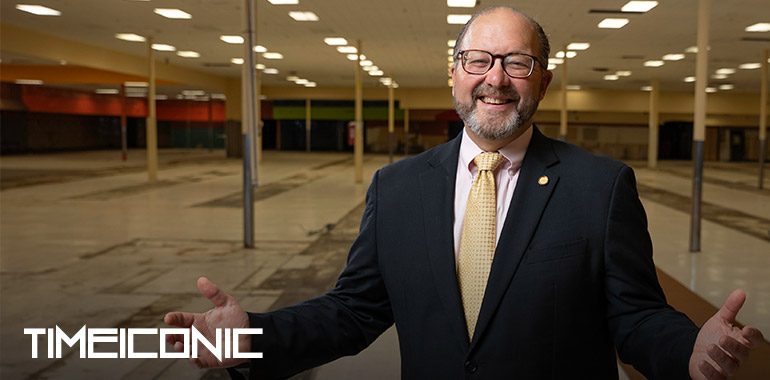
In Connecticut, the story of manufacturing has always been tied to bold ideas and a workforce that knows how to bring those ideas to life. Few people understand this more than Paul S. Lavoie, the new Vice President of Innovation and Applied Technology at the University of New Haven. His transition from serving as one of the world’s leading Chief Manufacturing Officers to building a first of its kind Center for Innovation and Applied Technology marks a powerful shift not only for him, but for the future of the region.
For Paul, this move is not a career change. It is the next step in a path centered on talent, transformation, and real opportunity. He calls the role a “once in a lifetime opportunity,” because it brings together everything he has spent his life working toward. When he met President Jens Frederiksen and heard the long term vision for the university, he saw a place ready to grow, ready to innovate, and ready to build something that would last.
The new Center for Innovation and Applied Technology reflects this mindset. It is not designed to operate like a traditional academic center. It is built to match real industry needs. Companies will bring their immediate challenges. Students and faculty will work on actual projects. And the university will respond with a model that is fast, modern, and deeply connected to the realities of today’s manufacturing landscape.
A Lifetime of Lessons Driving a Modern Manufacturing Vision
Paul’s approach comes from decades of hands-on experience. He has led manufacturing operations, shaped supply chains, and advised state leaders on industrial policy. Over time, he learned the value of listening first, building trust, and staying focused on impact. His leadership style, which he calls “gently relentless,” reflects this balance. He pushes for results while encouraging the people around him to grow.
This experience also shapes how he sees Connecticut’s place in the country. The state builds some of the most advanced machines in the world, including jet engines, helicopters, submarines, medical devices, and high precision components. Paul often says that Connecticut “punches above its weight,” and that it houses one of the most productive and skilled workforces in the nation.
Yet he believes the biggest challenge ahead is not the invention of new tools. It is the adoption of those tools. The United States leads the world in innovation, but many ideas slow down when companies try to implement them. Paul is focused on closing this adoption gap. The Center for Innovation and Applied Technology will become a place where industry can test new methods, explore new systems, and learn how to bring advanced technologies into real operations.
A Collaborative Model Shaping the Workforce of Tomorrow
At the heart of Paul’s vision is collaboration. He wants companies to come to campus with real challenges. He wants students to work beside faculty and industry partners. And he wants graduates to leave with experience, confidence, and a clear pathway into careers that matter.
This approach benefits everyone. Companies get projects completed. Students build networks and hands on skills. And the university strengthens its role as a center of applied learning and innovation. With support from academic leadership, including Provost Nancy Savage, Paul sees a university ready to adapt quickly and build programs that reflect what industry needs today and what it will need tomorrow.
The result is a modern environment where education and industry move together, where advanced technology is embraced, and where students are trained not only to understand new tools, but to apply them. Paul believes this is what will place the University of New Haven at the center of the region’s next wave of industrial growth.
Designing a Campus Where Industry and Academia Work Side by Side
Paul S. Lavoie’s vision for the University of New Haven’s R and D Park is built on one clear idea. Industry and academia should not operate as two separate worlds. They should share the same space, the same challenges, and the same goals. He wants companies to walk onto campus with a real project in hand and find a team of faculty and students ready to work with them. This creates a learning environment rooted in real pressure and real opportunity.
In this model, students get more than classroom knowledge. They get exposure to industry expectations, timelines, and problem solving methods. They learn how things work in the real world. They learn how to communicate, how to adapt, and how to build confidence through experience. For companies, the advantage is simple. They get projects done while training the next generation of talent that they may eventually hire.
Paul calls this a modern pathway. A clear line from the university into the workforce. It is a system where students can work on projects for one or two years, build networks, and step into careers with a strong foundation. This is what he believes will set the Center for Innovation and Applied Technology apart from traditional models. It is built for outcomes, not just research. It is built for collaboration, not distance. And it is built to reflect the pace of modern manufacturing.
Driving Technology Adoption Through Real Application
Paul often says that the next chapter of manufacturing will not be defined by the newest tool but by how well organizations adopt and apply those tools. Robotics, automation, artificial intelligence, machine learning, additive manufacturing, and biotech are all advancing quickly. But the real impact comes when companies know how to use them, integrate them, and train their teams to trust them.
This is why the Center for Innovation and Applied Technology will focus heavily on hands-on application. Students will learn how these technologies work through real projects, not just theory. Industry partners will be able to test ideas, refine methods, and explore new systems in a controlled environment. Faculty will collaborate with these partners to understand what skills the future workforce must have.
Paul believes that universities must adapt at the same speed as industry if they want to stay relevant. He speaks highly of the support and forward thinking approach of the University of New Haven’s leadership. With their backing, the university is already making moves to update curriculum, refine programs, and integrate advanced tools across teaching and research.
To Paul, this is what separates a reactive institution from a leading one. It is not about chasing every new trend. It is about understanding the mindset behind technology adoption and preparing students to step into a world where change is constant.
Breaking Ground With a First-of-Its-Kind Manufacturing Campus
Building an advanced manufacturing campus of this scale comes with challenges, but Paul sees those challenges as signs that the project is breaking new ground. Across the United States, there are few models where industry and academia work this closely. Many institutions still rely on traditional methods that do not match the speed of modern manufacturing.
Paul describes the Center for Innovation and Applied Technology as a “blue collar tech park,” a place where ideas turn into action. Its purpose is clear. Bring students in. Give them the tools to succeed. Connect them with companies. And help them build careers that matter. It is a simple but powerful mission that focuses on real results instead of academic distance.
He also wants this environment to be inclusive. The University of New Haven already has a diverse and supportive community, and Paul plans to build on that. He wants to create pathways for students from all backgrounds. He wants to spark interest in K to 12 students. And he wants individuals from underrepresented groups in technology fields to see a clear and open path into manufacturing and innovation.
This focus on equity ties directly into his larger goal. A stronger workforce does not come from one group. It comes from opening doors wider, creating more access, and giving more people the chance to develop skills that change their lives.
Creating an Impact That Reaches Beyond the Campus
As the University of New Haven continues building the Center for Innovation and Applied Technology, Paul S. Lavoie sees the initiative shaping more than just local progress. He believes it can become a model for how universities and manufacturers work together across the country. The goal is simple. Strengthen industry. Prepare students. And build a system that responds quickly to the needs of modern production.
Paul talks about the long-term influence this center can have. Companies will gain new ideas and a trained workforce. Students will graduate with experience and confidence. And the region will benefit from a modern pipeline of talent ready for advanced roles. For Paul, this kind of impact proves that the Center for Innovation and Applied Technology is not only about today. It is about supporting the next decade of growth across Connecticut and beyond.
Opening More Pathways for Students and Communities
A major part of Paul’s vision is building access. He wants students from every background to see manufacturing as a real and rewarding path. The University of New Haven already has a diverse community, and Paul sees that as a strength to build on. He aims to create partnerships across industries and develop programs that introduce younger students to robotics, automation, design, and engineering.
He understands that talent can come from anywhere, and he wants the Center for Innovation and Applied Technology to reflect that. Whether it is students from K to 12 or individuals entering the field later in life, Paul wants the center to become a place where anyone can gain skills, learn new technologies, and move toward stronger career opportunities. For him, these moments of growth are what give meaning to the work.
A Leadership Legacy Built on Connection and Opportunity
When Paul talks about the future, he focuses more on people than on technology. He wants his legacy to reflect his role as a connector. Someone who brought ideas, companies, and students together. Someone who helped create opportunities that changed careers and strengthened communities.
He also believes that technology alone is not what shapes the next generation. Mindset matters more. He tells young innovators to stay open to learning, embrace change, and understand how to bring new tools into real work environments. Trends will shift, but the ability to adapt will always matter.
For Paul, the Center for Innovation and Applied Technology represents all of this. A place where industry and education move together. A place where new ideas are tested with purpose. And a place where the next generation of manufacturing leaders will learn how to make a lasting impact.
Focusing on the Mindset Behind Innovation
As manufacturing continues to evolve, Paul S. Lavoie remains clear about one thing. The real power of technology is not in the tools themselves but in how people use them. He often explains that the industry should be careful not to fall in love with every new trend. What matters is the ability to adopt technology in a way that improves productivity and opens new opportunities.
Automation, robotics, artificial intelligence, and digital tools will continue to expand across operations. But Paul believes the real transformation happens when companies help their teams understand these tools and trust them. Adoption requires training, leadership, and a culture that encourages growth. This mindset is what he wants to develop within the Center for Innovation and Applied Technology. A mindset that blends curiosity, practical thinking, and the confidence to use new systems in real work environments.
Closing the Gap Between Ideas and Real Application
For Paul, bridging the distance between invention and adoption is one of the biggest challenges facing today’s industry. He sees the Center for Innovation and Applied Technology as a solution to this challenge. A place where students, professors, and manufacturers work together to test ideas, refine methods, and bring innovation into daily operations.
This model helps students gain first-hand understanding of how new tools work. It helps industry partners reduce risk as they explore new methods. And it helps the university stay aligned with what employers need. In Paul’s view, this kind of environment creates real impact. It turns ideas into action and prepares graduates who are ready to step into roles that demand both technical ability and adaptability.
Guiding the Next Generation Toward a Stronger Future
Paul’s advice to young innovators is grounded in his own experience. He tells them to build strong technical skills but also focus on mindset. He encourages them to welcome change, stay flexible, and understand the value of uncertainty. These qualities, he believes, will guide them through shifts in technology and industry demands.
He also wants students to see their careers as evolving journeys. His own path changed many times as technology advanced and new opportunities appeared. With the right mindset, he believes the next generation can achieve even more. The Center for Innovation and Applied Technology will serve as a place where students learn these lessons early, gain experience, and grow into confident leaders.
For Paul, this is the heart of the mission. To create a space where learning meets real-world impact. To help companies and students move forward together. And to build a future where innovation, talent, and opportunity shape the next chapter of manufacturing.
A New Chapter for Manufacturing and Education
With the launch of the Center for Innovation and Applied Technology, Paul S. Lavoie is helping shape a new chapter that blends education, industry, and innovation into a single, connected system. What makes this moment different is not just the technology involved. It is the mindset behind it. Paul sees a future where universities move at the same speed as industry, where companies participate directly in the development of talent, and where students graduate ready to make an immediate impact.
This center reflects everything he has learned across his career. It brings together relationships, hands on learning, and industry leadership under one purpose. To prepare a workforce that is strong, adaptable, and ready to take on the challenges of the future.
Building Momentum Through Partnership
Paul knows that progress does not come from one organization alone. It grows through partnership. He expects the Center for Innovation and Applied Technology to become a place where companies bring real challenges, where professors and students collaborate, and where innovations move from concept to application. It will not only benefit the University of New Haven. It will strengthen manufacturers across the region and support economic growth for years to come.
This collaborative approach is what gives the project its strength. By combining academic expertise with industry needs, the Center for Innovation and Applied Technology creates a cycle where ideas turn into solutions, solutions turn into opportunities, and opportunities turn into long-term careers.
A Lasting Impact That Extends Beyond Today
As Paul looks to the future, his focus remains on the people who will shape it. The students who will become leaders. The companies that will drive innovation. And the communities that will benefit from new opportunities. His mission has always been to support growth, open doors, and help individuals move toward better futures.
The Center for Innovation and Applied Technology represents that mission at scale. It will inspire new ideas, strengthen partnerships, and guide the next generation as they step into the evolving world of manufacturing. The foundation is already set. The momentum is building. And under Paul’s leadership, the University of New Haven is positioned to play a defining role in the future of American industry.
