
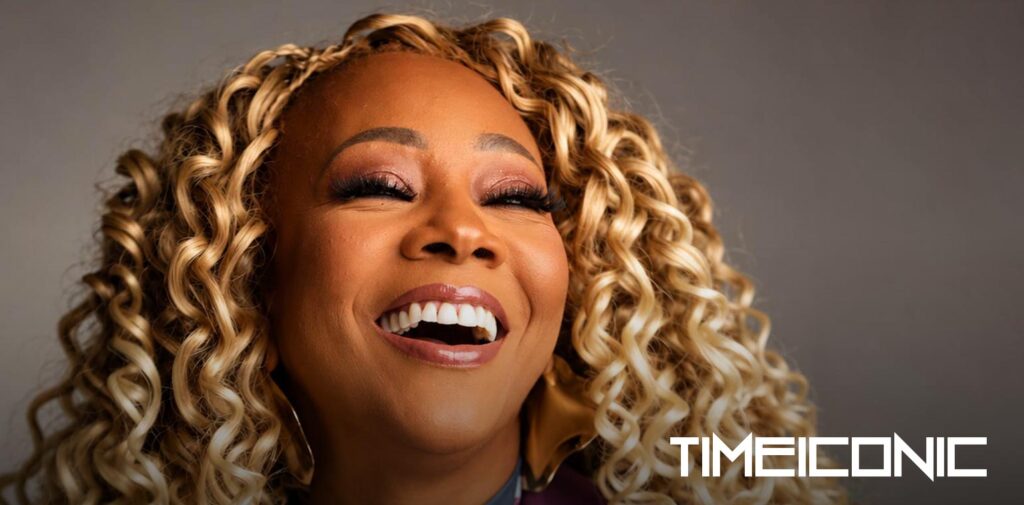
Surviving is something most people learn to do well, often without anyone noticing. They keep their jobs, raise their children, meet their deadlines, and hold their families together while carrying a weight no one else can see. What many of them have never been given is permission to set that weight down. For Dr. Trina Wilson, that permission is where real recovery begins, and it rests on a distinction she returns to again and again. Surviving is one thing. Healing is another. Becoming whole is something larger still.
That gap, between enduring and truly living, is where Wilson has built her career. As a Licensed Clinical Social Worker and the Founder and CEO of LIFE Counseling & Assessment Center, she works with individuals, couples, families, professionals, and organizations who are at very different points on the road to recovery. Some arrive in acute crisis. Some are working through trauma that has shadowed them for years. Others are simply trying to understand who they are after life has changed them. Her approach treats each of them as a complete human being rather than a collection of symptoms.
Her philosophy is easy to state and demanding to practice. “My professional journey has always been rooted in helping people move from surviving to healing and, ultimately, to becoming whole,” she says. That sentence works as both a mission statement and a map. It explains why her practice offers more than appointments and why her message extends well beyond the therapy room.
Wilson is a clinician, but she is also an author, speaker, educator, and advocate, and the common thread among those roles is a simple belief. The worst thing that ever happened to a person is not getting to write the rest of their story. “What happened to them does not have to determine what happens next,” she says, and the line captures the conviction that drives everything she builds.
A Career Built Across Many Rooms
Few behavioral health leaders have stood in as many different rooms as Wilson. Her background spans social work, clinical counseling, crisis intervention, behavioral health, education, ministry, coaching, and forensic assessment. Each field placed her in front of people at a different moment in their lives, and each taught her something the others could not.
Social work trained her to look past symptoms and study the environments surrounding a person, including housing, family, finances, and community. Counseling taught her to sit with pain without hurrying to fix it, and to help people process it safely. Education showed her how much power knowledge holds when people finally understand why they think, feel, and react the way they do. Coaching added accountability and forward movement. Community work reminded her that healing should not belong only to those who already know how to navigate traditional mental health systems.
Together, these experiences produced a conviction that sets her practice apart. “Transformation is rarely one-dimensional,” she explains. A person can understand a problem intellectually and still struggle with it emotionally. Someone can be professionally accomplished while privately carrying trauma. Another may have deep faith yet lack the practical tools to set healthy boundaries or calm persistent anxiety. Treating only one layer of a person, she has learned, leaves the other layers waiting.
This breadth also explains the credentials listed beneath her name. She serves as both a clinical and a forensic provider, a combination that demands rigor, objectivity, and care in equal measure. Her forensic and assessment experience sharpens her clinical eye, while her counseling experience keeps her assessments grounded in the lived reality of the person being evaluated. The result is a practitioner who can explain a case on paper and still remember the human being behind it.
Alignment, Faith, and the Whole Person
If one idea runs through all of Wilson’s work, it is a principle she repeats often. “Alignment creates transformation,” she says. In her framework, a person’s beliefs, behaviors, boundaries, relationships, decisions, and sense of purpose either pull in the same direction or pull against one another. When they work together, change becomes possible. When they conflict, even the best intentions tend to stall.
The principle reflects her view that people are not one-dimensional. She describes human beings as emotional, physical, relational, spiritual, and social, and she believes treatment that ignores any of those dimensions will eventually meet its limits. That conviction leads naturally to the role faith plays in her practice. Wilson speaks openly about her own faith as foundational to her journey, and she is equally clear that it does not replace clinical standards. “I believe clinical excellence and faith can coexist without compromising either,” she says.
In practice, this means choice. For clients who want faith-integrated care, she can create a therapeutic environment in which emotional healing, evidence-based practice, and spiritual growth work together. For clients who do not, nothing about the treatment changes in quality or respect. The aim is to meet people where they are, culturally and spiritually, without asking them to leave an important part of themselves at the door.
Her purpose has also matured over the years. Early in a career, success can mean helping someone feel better or function again. Wilson still values that outcome, but she now looks further ahead. She wants clients to recognize patterns, establish boundaries, restore confidence, and build healthier lives. Her view on what recovery should mean is notably different from the common one. “I do not want people simply to return to the person they were before trauma,” she says. “Sometimes healing requires becoming someone new.”
How Recovery Begins
When Wilson talks about trauma, she starts with humility. Responses to trauma are highly individualized, she notes, and two people can live through similar circumstances and react in completely different ways. A range of factors shapes the path ahead, including a person’s support system, earlier trauma history, coping skills, physical health, emotional awareness, financial stability, family environment, access to care, and spirituality. It also matters whether the traumatic experience has ended or is still happening.
Among all these factors, one comes first. Safety, she says, is the foundation, and it is broader than most people assume. Someone who still feels emotionally, physically, financially, or relationally unsafe cannot be expected to process trauma in any meaningful way. For that reason, her approach to the crisis follows a deliberate order. “During a crisis, stabilization comes before deep processing,” she says.
Early support focuses on helping a person feel secure enough to think clearly, breathe, sleep, eat, and begin regulating the nervous system. Her team uses emotional support, crisis assessment, safety planning when appropriate, grounding techniques, and education about common trauma responses. They also connect people to the medical, social, family, or community resources they need. Restoring routine matters as well, because trauma creates unpredictability and steady daily rhythms tell both mind and body that the world is becoming safe again.
Equally important is what Wilson chooses not to do. She does not push people to recount every detail of what happened to them. “People deserve control over their stories,” she says. Only after stabilization does treatment become more structured, drawing on psychotherapy, cognitive restructuring, grief work, behavioral activation, and exposure-based interventions when they are clinically appropriate.
Throughout this process, she works to remove shame from the equation. Many clients arrive believing their reactions prove something is wrong with their character. She corrects that belief directly, explaining that a person’s brain and body may simply be responding to an experience that overwhelmed their normal coping mechanisms. She is also candid that the road is uneven. Recovery is not linear, and a stretch of real progress can be followed by a difficult day or a triggering moment. “That does not mean treatment has failed,” she says. Her definition of success is practical and humane. “Healing is reaching a place where the experience no longer controls your thoughts, decisions, relationships, or identity.”
Treating the Person, Not the Paperwork
The same philosophy shapes the organization she leads. LIFE Counseling & Assessment Center takes its name from its purpose, and Wilson is direct about what that purpose is. “I wanted to build an organization that helps people get their lives back,” she says. She did not want a practice where clients simply receive an appointment. She wanted a place where people feel seen and heard, are assessed thoroughly, are treated respectfully, and leave with practical strategies for moving forward.
The center’s services reflect that breadth. They include counseling for individuals, couples, families, and groups, along with clinical and behavioral health assessments, crisis intervention, trauma treatment, family services, and wellness-focused interventions. The center also provides workplace and disability-related behavioral health support, an area where thorough, fair assessment can shape a person’s livelihood as much as their wellbeing.
Wilson holds the center to two standards at once. One is clinical soundness. The other is compassion. She is convinced that the second is what clients remember. A person may forget the terminology used in a session, she observes, but they rarely forget whether they felt respected during one of the most vulnerable seasons of their lives.
That conviction shapes how treatment is designed. At LIFE, a diagnosis does not dictate a script. Each plan is informed by the individual’s symptoms, history, strengths, goals, environment, relationships, cultural considerations, personal values, and level of functioning. Plans are reviewed regularly, because what a client needs in the first month may differ greatly from what they need several months later. Clients are expected to understand their goals and to have a voice in the process.
Her guiding phrase for all of this is memorable in its simplicity. “Treat the person, not the paperwork,” she says. She does not dismiss documentation, diagnosis, or evidence-based methods. She calls all of them important. Her point is about priority. The human being in the room remains at the center, and the paperwork exists to serve that person rather than the reverse.
Part of that human focus is a refusal to define anyone by their injuries alone. A diagnostic code, she says, offers valuable clinical information but cannot tell the entire story. She wants to know what is happening at home, at work, in relationships, financially, physically, spiritually, and socially. She also asks what has gone right. Which relationships are supportive? Which coping skills already exist? What has this person survived before, and what gives their life meaning? In her words, “Effective treatment requires understanding both the wounds and the strengths of the person sitting in front of you.”
From Surviving to Becoming Whole
Of all the messages Wilson carries, one stirs her most, and it is the distinction at the heart of this story. Survival and healing are not the same, and mistaking one for the other can leave people stranded. “People can survive extraordinary circumstances, but we should never confuse survival with healing,” she says.
Her crisis work has shown her how easy that confusion is. Many people appear highly functional after trauma. They return to work, care for their families, and meet their responsibilities. Inside, though, they may be living with panic attacks, nightmares, intrusive thoughts, hypervigilance, depression, emotional numbness, or significant anxiety. Because they look capable from the outside, they often go without help for a long time. This is why Wilson champions timely support, which helps people understand their reactions, build coping skills, and recognize warning signs before symptoms become more disruptive.
Survival itself, she is quick to say, is no failure. It makes people resourceful, productive, independent, and strong. The difficulty is that survival behaviors are built for a particular season, and they do not always know when that season has ended. Hyper-independence may once have protected a person but can later block intimacy. Constant vigilance may once have kept someone safe but can later make rest impossible. Emotional walls may have shielded a heart for years while also keeping out the healthy people who might have cared for it.
Her answer is a question she invites every client to consider. “Do I still need the behaviors that once protected me?” she asks. Posing it, she says, requires courage, because it asks people to loosen habits that keep them alive. She offers that courage as the real turning point of recovery. She also insists that people deserve far more than a life of getting by. “They deserve peace. They deserve healthy relationships. They deserve emotional freedom,” she says. “They deserve the opportunity to become whole.”
She is careful not to oversell the destination. Healing does not erase every difficult emotion, and resilience does not mean the experience did not hurt. What changes is who holds authority. She has watched clients who entered treatment convinced that life would never feel normal again go on to experience joy, build healthier relationships, return to meaningful work, and regain confidence. “Resilience does not mean the experience did not hurt,” she says. “It means pain did not receive the final word.”
That change is built through skill as much as courage. Counseling, as Wilson practices it, draws on cognitive behavioral therapy, trauma stabilization, emotional regulation techniques, boundary work, and healthy coping strategies. Clients learn to name what they feel, since anger, for example, can be covering fear, grief, rejection, or powerlessness, and a person who can identify the real emotion has more choices about how to respond. They practice breathing, grounding, journaling, movement, sleep routines, and rest, along with prayer or meditation when they wish. They learn their triggers, attachment patterns, and defense mechanisms. “Awareness does not eliminate every difficult emotion,” she says. “It gives people the tools to navigate those emotions without allowing them to control their lives.”
Boundaries become part of the same education. Many clients have spent years believing that saying no makes them selfish or that protecting their wellbeing means they love others less. Counseling challenges those beliefs. As confidence returns and resilience grows, people stop spending every ounce of energy on getting through the day, and a bigger question finally has room to surface. “What do I want my life to become?” is the question Wilson hears emerge, and she says it is where purpose begins to reappear.
Bridges, Not Barriers
Wilson knows that even the best care changes nothing for people who never reach it. Stigma, cost, and uncertainty about where to begin keep many people away from help until they are in crisis. Her response begins with culture. “We have to normalize the conversation,” she says, arguing that mental health deserves the same openness as physical health, and that no one should have to reach a breaking point before feeling permitted to ask for support.
At LIFE, accessibility starts with flexibility. The center offers both virtual and in-person services so that geography, transportation, demanding work schedules, family responsibilities, or mobility concerns do not automatically close the door. Wilson also treats education as part of access. Many people delay care simply because they do not understand what they are experiencing, so community workshops, speaking engagements, partnerships, and wellness initiatives help them recognize when professional support could help. She encourages professionals to go further by using language people understand and by partnering with schools, churches, employers, and community organizations that already hold people’s trust.
Representation, she adds, carries real weight. People tend to seek help more readily when they believe the professional understands their culture, family structure, values, faith, and lived experience. Taken together, she sees accessibility as far more than an open calendar. It means reducing the emotional, logistical, cultural, and informational barriers that stop people from walking through the door. “Our responsibility is to build bridges to treatment, not barriers around it,” she says.
Looking ahead, Wilson sees a field moving toward care that is more personalized, preventive, integrated, and accessible. Telehealth, digital screening tools, wellness applications, and remote monitoring will continue to widen access, but she insists they should complement human connection rather than replace it. She expects trauma treatment to pay closer attention to the links among the brain, body, emotions, relationships, and nervous system, addressing physiological regulation alongside thoughts and behaviors. She also anticipates deeper collaboration among behavioral health, primary care, workplaces, schools, community organizations, and faith communities.
The most meaningful shift, in her view, is one of questions. The field is moving from asking only what is wrong with a person toward a fuller inquiry. “What happened, how has it affected you, what strengths do you possess, and what do you need now?” she says. For a leader whose daily practice already begins there, the change feels less like a prediction than a description of her own work.
A Vision That Reaches Past the Therapy Office
Her plans for LIFE Counseling & Assessment Center are ambitious but disciplined. She intends to keep expanding the center’s impact while protecting the individualized quality of care on which it was built. Services in trauma, crisis intervention, workplace mental health, family wellness, assessments, education, prevention, and emotional resilience will continue to grow. Beyond the practice itself, she sees her influence extending through writing, speaking, media, leadership development, education, and community initiatives. “We have to take conversations about emotional wellness outside the therapy office,” she says.
Organizations are a particular focus. Too often, she notes, support arrives only after an employee is completely burned out, a family is in crisis, or someone’s symptoms have become debilitating. She would like institutions to act earlier and treat emotional wellbeing as a standing priority rather than an emergency response.
Her hopes for the next generation are just as clear. “I want young people to grow up understanding that seeking counseling signals self-respect, not weakness. It is evidence that you value yourself enough to seek the tools necessary to live well,” she says. The cultural change she envisions is one in which emotional wellness becomes part of everyday wellness, and in which healing is no longer seen as something reserved for people who are broken. It becomes, as she puts it, “an opportunity for every person committed to growth.”
That is a generous vision, and it is consistent with everything else Wilson has built. Her career has moved through social work, counseling, crisis response, education, ministry, coaching, and forensic assessment, yet the destination has stayed the same. She wants people to leave her care with more than relief. She wants them to leave with a self they recognize, relationships that feel safe, and a future that belongs to them. For anyone who has spent years surviving, she offers a quietly radical reminder. “The courage to begin can change everything,” she says.
